When people think about wool, it's easy to imagine it as a single material.
One of the things we've learnt over many years of working with wool is that nothing could be further from the truth.
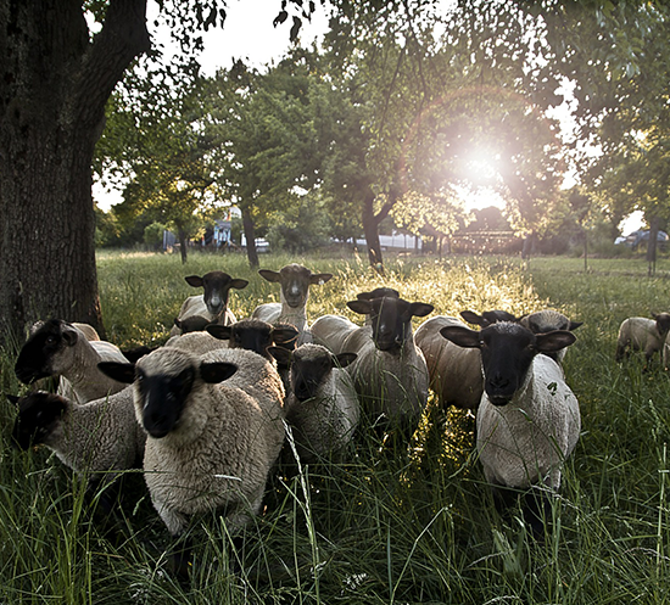
Wool is wonderfully diverse. Different sheep breeds, climates and landscapes all influence the characteristics of the fibre, meaning every fleece has its own qualities and something different to contribute.
Andy Coates, Operations Director at Ulster Yarns, has spent much of his career working closely with wool, helping to understand how those natural characteristics influence everything from colour and durability to long-term performance. In this Studio Session, he shares some of the things we've learnt about why understanding the fibre is one of the most important parts of creating a carpet designed to perform for years to come.
"People often ask if one type of wool is better than another. The honest answer is that every fibre has its own strengths. The interesting part is understanding what each one can contribute."
Nature doesn't produce one type of wool
Different sheep produce wool with different characteristics
One of the reasons wool is such a fascinating material is because nature doesn't produce a standard fibre.
Different sheep breeds have evolved in different climates and environments, creating fibres with their own unique characteristics. Some are naturally finer, others are stronger. Some recover particularly well from compression, while others have characteristics that influence colour or texture.
Rather than seeing those differences as inconsistencies, we've learnt to see them as opportunities. Every fibre brings something unique, and understanding those natural qualities allows them to be used where they'll contribute most.
"No two wool fibres are exactly alike, and that's one of the reasons working with wool never stops being interesting."
Performance begins with understanding the fibre
Hospitality carpets ask a great deal from a natural material.
They need to maintain their appearance in busy environments, recover from constant foot traffic, respond well to cleaning and continue performing year after year.
One of the things we've learnt is that achieving this isn't about searching for the "perfect" wool. It's about understanding the strengths of different fibres and how they can work together to create the right balance of performance for the intended application.
Rather than asking which wool is best, the more useful question is what each fibre can contribute.
Why blending matters
Blending different wools together allows their natural qualities to work together.
Nature already provides an extraordinary range of fibre characteristics.
Blending allows those natural qualities to work together.
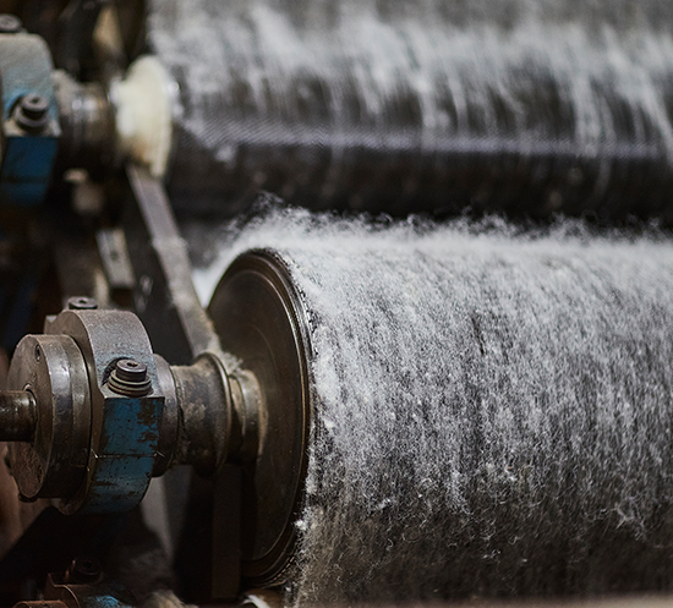
Some fibres contribute resilience and appearance retention, while others influence colour clarity, softness or the overall character of the finished yarn. By carefully combining different wools, it's possible to create a yarn that balances performance, appearance and colour for the environment it's intended for.
It's a process that relies as much on experience as it does on technical knowledge.
"Blending isn't about improving wool. It's about understanding the strengths of different fibres and allowing them to complement one another."
Colour is part of the conversation
Colour is an important consideration when selecting wool
We've already explored how colour begins with the fibre itself, and the same understanding plays an important role when selecting wool.
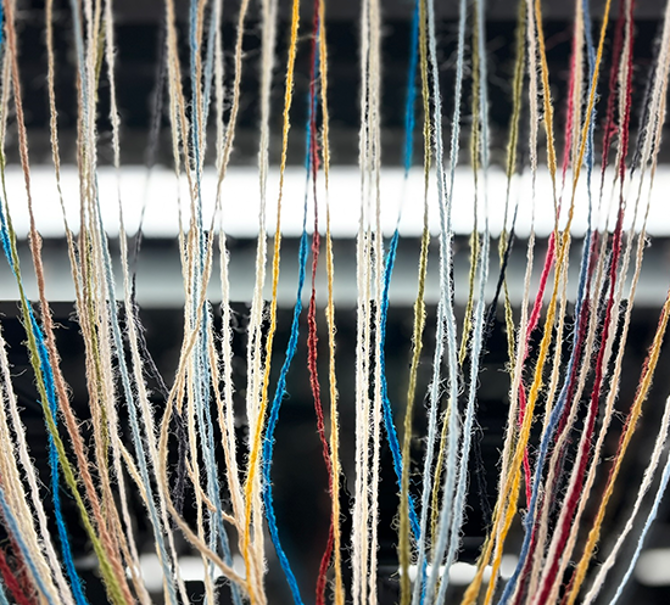
Different fibres naturally absorb dye in different ways. Some, such as New Zealand wool, are known for their natural whiteness, providing an excellent foundation for lighter colour palettes and cleaner, brighter shades. Others contribute richness, depth and subtle tonal variation.
Rather than changing the creative vision, understanding these natural characteristics gives designers greater flexibility when developing colour and helps ensure the finished result reflects the original intent.
Staying close to the material
One of the things we've come to appreciate is how valuable it is when the people involved in creating a carpet remain closely connected to the material itself.
Designers, yarn specialists, spinners, dyers, weavers and manufacturing teams each bring a different perspective, but every stage builds on the understanding developed in the one before it.
That close collaboration allows knowledge to be shared throughout the process, helping ensure decisions around fibre selection, colour development, construction and manufacturing all work towards the same goal.
"The closer you stay to the material, the more you learn from it. Every stage teaches you something that helps inform the next."
More than sourcing
Perhaps that's the biggest thing we've learnt.
Working with wool isn't about finding the best fibre.
It's about understanding one of nature's most remarkable materials and recognising that every fleece has its own strengths.
The craft lies in understanding those differences, bringing them together thoughtfully and allowing the natural characteristics of the fibre to contribute to a carpet that performs beautifully for years to come.
"Working with wool isn't about controlling nature. It's about understanding it."